
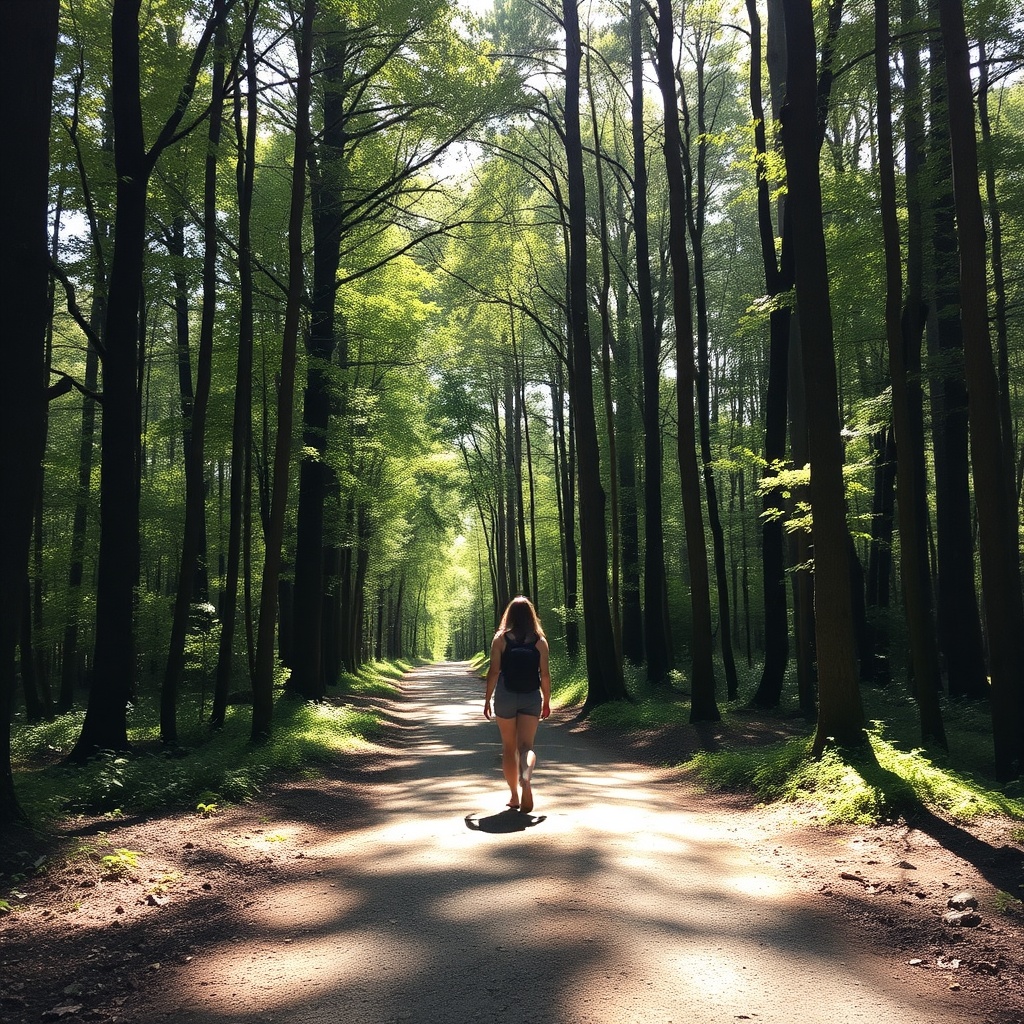
What is Nature Therapy?
Nature therapy, also known as ecotherapy, is a holistic approach that uses the natural environment to promote mental and physical well‑being. In a trauma‑focused practice, nature therapy can help clients reconnect with their senses, reduce stress hormones, and create a sense of safety and grounding.
Benefits for Stress Relief
- Lower cortisol levels: Studies show that walking in green spaces reduces cortisol, the hormone that signals stress.
- Improved mood: Exposure to natural light and fresh air boosts serotonin, which improves mood and reduces anxiety.
- Enhanced focus: Natural settings provide a gentle distraction that allows the mind to reset and refocus.
- Connection to the present moment: Mindful observation of nature encourages present‑moment awareness, a core component of trauma recovery.
Evidence from Research
Numerous studies have documented the positive effects of nature exposure on mental health. A 2019 meta‑analysis found that participants who spent time outdoors reported lower levels of depression and anxiety compared to those who stayed indoors. Another study published in the Journal of Environmental Psychology highlighted that even brief walks in a park can reduce rumination and improve emotional regulation.
How to Incorporate Nature Therapy into Your Routine
Integrating nature therapy does not require a large time commitment. Start with small, manageable steps that fit into your daily life.
Guided Nature Walks
Schedule a 20‑minute walk in a local park or botanical garden. Focus on the colors, textures, and sounds around you. Use a simple breathing technique: inhale for four counts, hold for four, exhale for four, and hold for four. Repeat until you feel calm.
Mindful Breathing in Natural Settings
Find a quiet spot under a tree or beside a stream. Sit with your back straight, close your eyes, and breathe slowly. Notice the rhythm of your breath and the subtle changes in the environment. This practice can be done daily and helps anchor you in the present.
Creating a Personal Nature Sanctuary
Even if you live in an apartment, you can create a small sanctuary. Place a few plants in your living space, use natural light, and add a small water feature or a nature‑inspired artwork. These elements can provide a sense of calm and connection to the outdoors.
Practical Tips for Beginners
- Start with short sessions and gradually increase duration.
- Choose a time of day when the environment feels safe and comfortable.
- Wear comfortable shoes and clothing suitable for the weather.
- Keep a journal to record sensations, thoughts, and emotions during each session.
- Invite a friend or family member for support and accountability.
Integrating with Therapy Sessions
Nature therapy can complement traditional counseling by providing a tangible, sensory experience that reinforces therapeutic concepts. Therapists can assign nature‑based homework, such as observing a specific plant or listening to the sounds of a nearby stream. During sessions, clients can share their observations, which can deepen insight and foster a sense of progress.
Common Challenges and How to Overcome Them
- Weather constraints: Use indoor green spaces, such as indoor gardens or plants, when outdoor conditions are unfavorable.
- Time limitations: Even a 10‑minute pause in a busy day can be beneficial. Use lunch breaks or commute times for brief nature exposure.
- Anxiety about being outdoors: Start in familiar, safe environments and gradually explore new settings as confidence grows.
- Physical limitations: Choose accessible trails, use a stroller, or sit on a bench to enjoy nature without strain.
Resources and Further Reading
- “The Healing Power of the Natural World” – Journal of Environmental Psychology
- “Ecotherapy: A Guide for Practitioners” – National Association of Holistic Therapists
- “Mindful Walking: A Practical Guide” – Mindful.org
- Local parks and botanical gardens – check city websites for free or low‑cost access.
Client Story: From Stress to Serenity
Maria, a 32‑year‑old graphic designer, came to InnerSourceTherapy feeling overwhelmed by deadlines and chronic anxiety. After incorporating a 15‑minute daily walk in a nearby park and practicing mindful breathing, she reported a 40% reduction in stress scores on the Perceived Stress Scale. Maria now credits nature therapy as a cornerstone of her recovery.
Frequently Asked Questions
- Do I need a therapist to practice nature therapy? No, but a therapist can help tailor the practice to your specific needs.
- What if I live in an urban area? Urban parks, rooftop gardens, and even indoor plants can provide therapeutic benefits.
- Can I combine nature therapy with medication? Yes, nature therapy is a complementary approach and can be used alongside medication.
Conclusion
Nature therapy is a powerful, accessible tool that can help reduce stress, improve mood, and support trauma recovery. By integrating short walks, mindful breathing, and a personal nature sanctuary into your life, you can harness the healing power of the natural world. Reach out to InnerSourceTherapy today to start your journey toward greater calm and resilience.