


Why Nutrition Matters for Your Brain
The brain requires a steady supply of nutrients to function optimally. Diets high in processed foods can increase inflammation, which is linked to mood disorders.
Key Nutrients for Mental Well‑Being
- Omega‑3 Fatty Acids – Found in fatty fish, flaxseed, and walnuts.
- Vitamin D – Supports neurotransmitter production.
- Complex Carbohydrates – Stabilize blood sugar and serotonin levels.
- Probiotics – Promote gut health, which influences mood.
Sample Meal Plan
Breakfast: Overnight oats with chia seeds, blueberries, and a splash of almond milk.
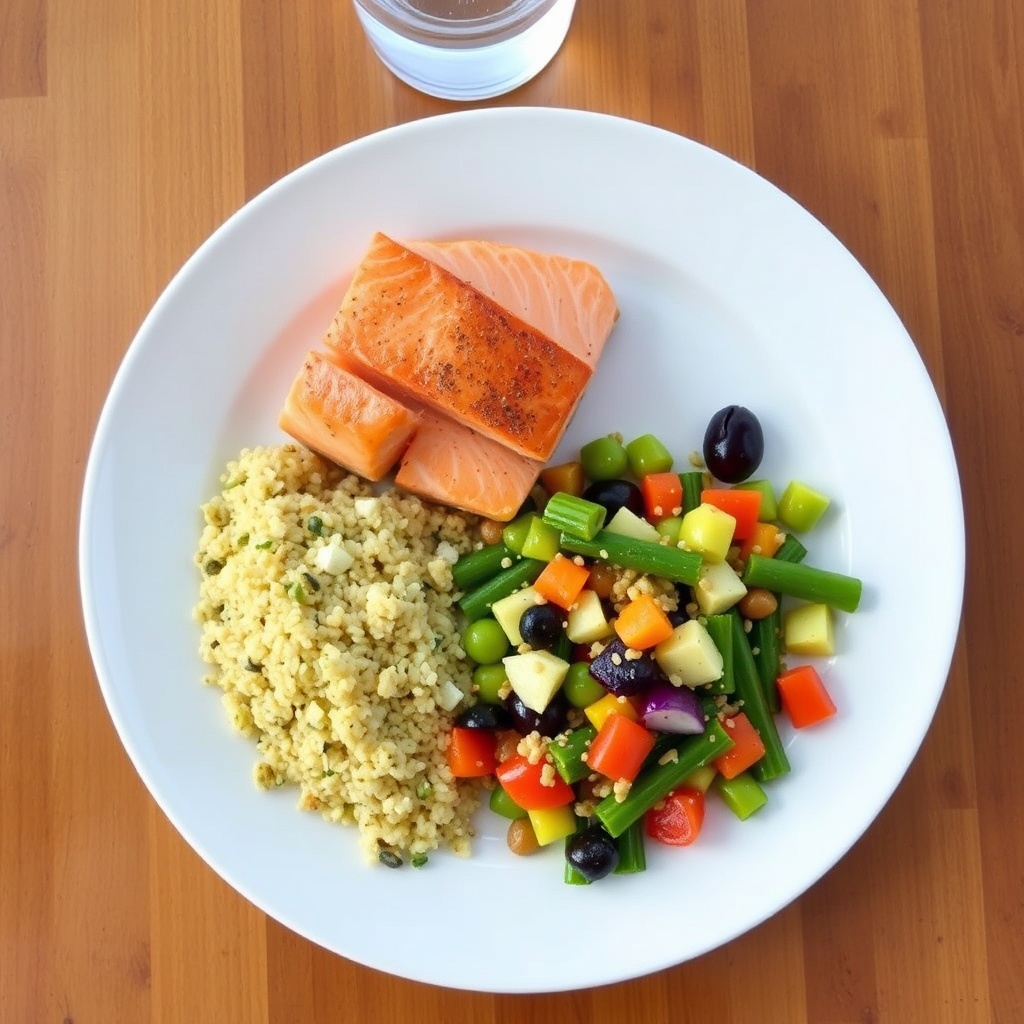
Lunch: Quinoa salad with grilled salmon, spinach, avocado, and a lemon‑olive oil dressing.
Dinner: Stir‑fry of tofu, broccoli, bell peppers, and brown rice.
Practical Tips for Better Nutrition
- Plan meals ahead to avoid last‑minute unhealthy choices.
- Keep healthy snacks like nuts and fruit within reach.
- Stay hydrated – aim for 8 glasses of water daily.
When to Seek Professional Guidance
If you suspect a nutritional deficiency or have a chronic health condition, consult a registered dietitian or your healthcare provider.