


Attachment Healing
Understanding Your Relationship Patterns and Building Secure Connections
Healthy relationships are not manufactured, they are cultivated. They require safety, steady nourishment, seasons of growth, and patient care. If your early relationships were marked by fear, inconsistency, or emotional neglect, your nervous system may have learned to survive rather than securely attach. Therapy offers a place where trust can slowly take root, where old patterns no longer have to define you, and where new ways of connecting can grow. Attachment healing happens gradually over time, and can become deeply rooted, resilient, and capable of lasting love.
Understanding Attachment
What Is Attachment?
Attachment refers to the emotional bond we develop with our primary caregivers during childhood. These early relationships teach our brain and nervous system important messages, such as:
- Am I safe?
- Can I trust others?
- Are my needs important?
- Will people be there when I need them?
- Is it safe to express my emotions?
These beliefs often become deeply rooted and influence friendships, romantic relationships, parenting, and even our relationship with ourselves.
Understanding Your Relationship Patterns and Building Secure Connections
The way we connect with others doesn’t begin in adulthood, it begins in our earliest relationships. Our experiences with parents, caregivers, and other important people teach our nervous system what to expect from relationships. These early experiences shape our sense of safety, trust, self-worth, and emotional connection.
When those relationships are nurturing and consistent, we often develop a secure foundation for healthy relationships. But when they involve neglect, criticism, inconsistency, abandonment, trauma, or emotional unpredictability, we may develop attachment wounds that continue to influence our lives long into adulthood.
At Inner Source Therapy, we help individuals and couples understand these patterns with compassion, not judgment. Attachment healing is about recognizing how your past has shaped your present—and learning that new, healthier ways of connecting are possible.
Attachment wounds can appear in many different ways.
Pay attention to these response styles in your relationships:
- Fearful of rejection or abandonment
- Struggling to trust others
- Feeling emotionally distant or disconnected
- Becoming overwhelmed during conflict
- People-pleasing to avoid disappointment
- Avoiding vulnerability or intimacy
- Feeling responsible for other people’s emotions
- Choosing unhealthy or emotionally unavailable partners
- Repeating painful relationship patterns
- Feeling “too much” or “not enough”
These responses are not character flaws. They are often protective strategies your nervous system developed to help you survive difficult experiences.
The Connection Between Trauma and Attachment
Many attachment wounds are rooted in relational trauma rather than a single traumatic event.
Experiences such as emotional neglect, chronic criticism, inconsistent caregiving, bullying, divorce, abuse, or growing up in unpredictable environments can teach the nervous system that relationships are unsafe.
As adults, these early experiences may lead us to:
- Become anxious when others pull away
- Shut down during conflict
- Avoid emotional closeness
- Feel responsible for keeping the peace
- Fear being abandoned
- Struggle with healthy boundaries
Understanding these patterns allows us to respond with compassion instead of self-criticism.
Attachment and the Nervous System
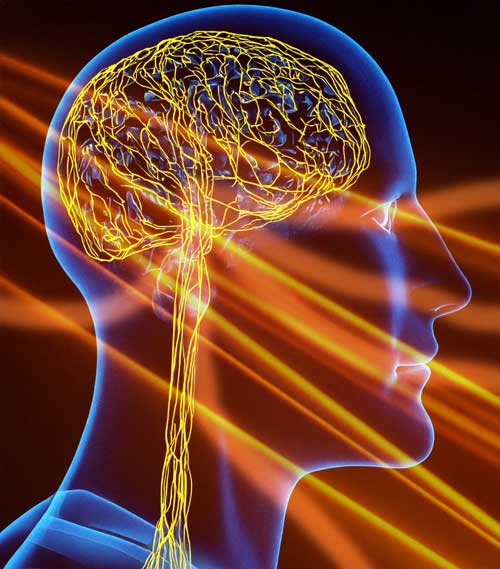
Attachment is deeply connected to the nervous system.
When early relationships felt unsafe, the nervous system often learned to stay alert for signs of rejection, criticism, or abandonment. Even in healthy relationships, the body may react as though danger is present.
This can lead to:
- Anxiety
- Hypervigilance
- Emotional overwhelm
- Freezing during conflict
- Difficulty regulating emotions
- Chronic stress
- Panic symptoms
- Emotional shutdown
Healing attachment wounds means helping the nervous system experience safety in new ways. As the nervous system becomes more regulated, relationships often begin to feel less frightening and more fulfilling.
How Therapy Can Help
Attachment healing is not about blaming parents or reliving the past. It is about understanding how your experiences shaped you so you can make different choices moving forward.
At Inner Source Therapy, we use trauma-informed, evidence-based approaches to help clients:
- Build healthier relationships
- Increase emotional awareness
- Develop secure attachment patterns
- Improve communication
- Strengthen boundaries
- Reduce anxiety around relationships
- Increase self-compassion
- Feel more emotionally safe
Healing happens gradually as new experiences teach the brain and body that connection can be safe.
Eye Movement Desensitization and Reprocessing (EMDR) can be an effective approach for healing attachment wounds. EMDR helps process distressing memories and beliefs that continue to influence present-day relationships.
By reducing the emotional intensity of past experiences, EMDR allows the nervous system to respond to current relationships with greater flexibility, confidence, and emotional regulation.
Many clients notice they become less reactive, communicate more openly, and experience greater emotional security as healing progresses.
Whether you are working individually or with your partner, understanding attachment patterns can transform relationships.
Individuals often gain greater self-awareness, confidence, and emotional resilience.
Couples frequently develop:
- Healthier communication
- Greater empathy
- Increased emotional safety
- Stronger trust
- More secure connection
Healing attachment wounds doesn’t erase the past—it creates new possibilities for the future.
Begin Your Healing Journey
Helping clients overcome anxiety throughout New Bern, Havelock, Morehead City, Newport, Greenville, and surrounding Eastern North Carolina communities. Our therapists are here to help.